What Does “Hanbang” Mean in Korean Skincare?

“Hanbang” appears constantly in Korean skincare marketing (printed on packaging, used in brand descriptions, referenced throughout this blog’s coverage of brands like Beauty of Joseon), but the term itself is rarely explained clearly for international audiences.
Quick answer
Hanbang skincare represents a genuine, historically-rooted category within Korean beauty culture, made up of traditional herbal medicine ingredients like ginseng, rice, and Centella asiatica, reformulated with modern cosmetic science. Understanding the term helps decode a significant amount of Korean beauty marketing, particularly from brands like Beauty of Joseon and various prestige Korean skincare lines.
The Simple Definition
Hanbang (한방) refers to traditional Korean herbal medicine, and in a skincare context, “hanbang skincare” describes products formulated using ingredients and principles drawn from this traditional medical system, such as ginseng, rice, mugwort, and other botanicals with a long history of use in Korean herbal remedies, now reformulated for modern cosmetic application.
Where Hanbang Comes From
Traditional Korean medicine (한의학, hanuihak) has centuries of documented history, historically used for internal and topical treatment of a wide range of health concerns. Hanbang skincare specifically draws on the topical and dermatological applications of this tradition, translating herbal remedies historically used for skin health into modern cosmetic formulations.
Hanbang Ingredients You’ve Likely Already Encountered
Several ingredients covered elsewhere on this blog have roots in hanbang tradition:
- Ginseng. Used in Beauty of Joseon’s product lines, discussed in our COSRX vs Beauty of Joseon comparison, associated in traditional use with vitality and anti-aging properties
- Rice and rice bran. Central to Beauty of Joseon’s branding, with a long history in Korean beauty tradition beyond just hanbang specifically
- Centella asiatica. While now globally recognized as “Cica,” covered in our dedicated post, its use traces back partly to traditional East Asian herbal medicine applications
- Mugwort (쑥, ssuk). A common hanbang ingredient in soothing, calming skincare formulations, worth knowing as a common hanbang-adjacent ingredient
Hanbang vs. Modern Cosmetic Science
Hanbang skincare isn’t positioned as an alternative to modern dermatological science within Korean beauty culture. Rather, Korean brands using hanbang ingredients typically combine traditional botanical sourcing with modern extraction, formulation, and stability technology, blending heritage positioning with contemporary cosmetic science rather than rejecting one for the other.
Which Brands Lean Into Hanbang Positioning?
- Beauty of Joseon, the most internationally recognized hanbang-positioned accessible-tier brand, discussed throughout this blog
- Sulwhasoo. A prestige-tier Korean brand built almost entirely around hanbang positioning, using ginseng as a signature ingredient across its higher-end product lines
- The History of Whoo. Another prestige brand with strong hanbang and royal Korean court beauty tradition branding
Is Hanbang Skincare Backed by Research?
This varies by specific ingredient. Some hanbang-associated ingredients (like Centella asiatica and ginseng) have reasonably solid modern research support for their cosmetic claims, discussed in relevant ingredient posts throughout this blog, while others rely more heavily on traditional use history without extensive modern clinical research. As with any ingredient category, evaluating specific formulations and their evidence base is more useful than assuming “hanbang” as a category guarantees efficacy.
Hanbang on the Label vs. What Is Actually in the Bottle
“Hanbang” is a marketing and cultural term rather than a measurable property. As far as I know, it is not a regulated cosmetic claim, so a product can use the word with very different amounts of herbal content. The useful question is not “is this hanbang?” but “which herbal ingredients does it contain, and how high on the ingredient list are they?” Our ingredient list guide explains how to check that.
| Ingredient | Traditional association | What to keep in mind |
|---|---|---|
| Ginseng | Vitality, “anti-aging” use | Most skin evidence is laboratory-based; products vary widely in extract amount |
| Rice / rice bran | Softening and brightening rituals | Gentle and widely tolerated; effects are modest, mostly softening and hydration |
| Mugwort | Soothing irritated skin | Evidence is limited and some people react; see our mugwort explainer |
| Propolis | Not a classic hanbang herb, but often marketed alongside | Can irritate people allergic to bee products; see our propolis guide |
How to Judge a Hanbang Product
- Check whether the named herb appears in the first third of the ingredient list or only near the end.
- Look for the fragrance or essential oil line. Herbal-smelling products often add scent that can irritate sensitive skin.
- Treat claims such as “ancient secret” or “royal court recipe” as storytelling, not evidence.
- Patch-test any new herbal product on the inner arm before applying it to your face.
- Do not expect an herbal product to replace proven basics such as sunscreen and a good moisturiser.
Who Should Be Careful
People with plant or pollen allergies, rosacea, or very reactive skin can react to herbal extracts and essential oils. If that sounds like you, our sensitive skin routine guide is a safer starting point, and a dermatologist can advise on specific products.
Common Questions
Is hanbang skincare more expensive than regular K-beauty products?
Not inherently. Hanbang ingredients and positioning appear across price tiers, from accessible brands like Beauty of Joseon to prestige brands like Sulwhasoo, so price depends more on the specific brand’s overall positioning than hanbang ingredient use alone.
Is hanbang the same as “traditional Chinese medicine” (TCM) skincare?
Related but distinct. Hanbang refers specifically to the Korean tradition of herbal medicine, which shares historical roots with broader East Asian medical traditions but has its own distinct historical development and ingredient emphasis.
Can hanbang ingredients cause allergic reactions?
As with any botanical ingredient, some people can react to specific hanbang-derived ingredients. Patch testing new products, as recommended throughout this blog’s routine guides, applies to hanbang formulations just as it does to any new skincare product.
Read Next
Peptides in Korean Skincare: What They Actually Do
Peptides occupy an interesting middle ground in Korean skincare, widely used in anti-aging formulations, frequently…
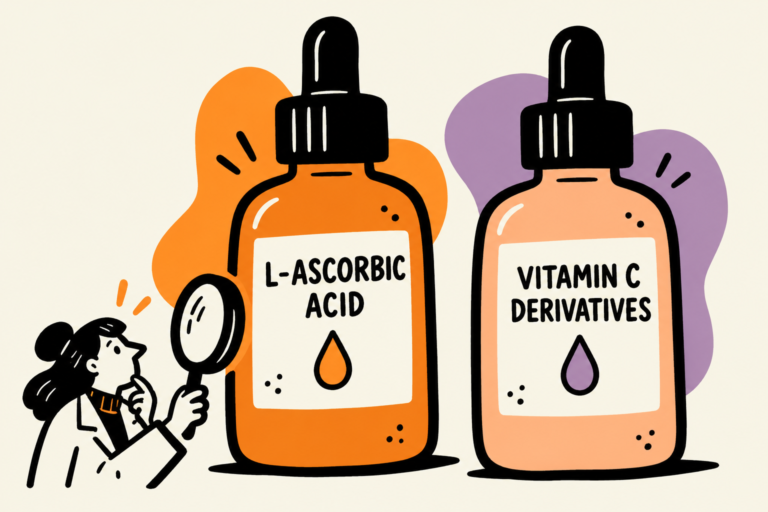
Pure Vitamin C vs. Derivatives: Which One Is in Your Brightening Serum?
Two serums both say vitamin C on the front. One stings slightly, comes in an…
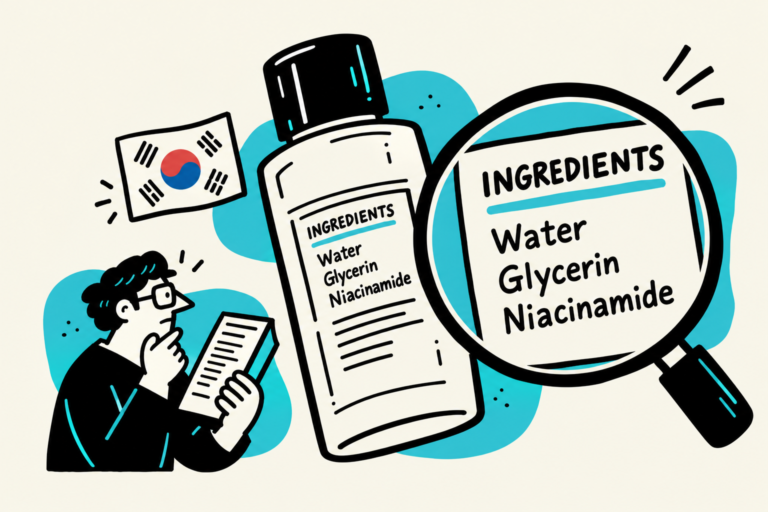
How to Read a Korean Skincare Ingredient List (And Spot a Fake Hero Ingredient)
A serum named after an ingredient does not have to contain much of it. That…
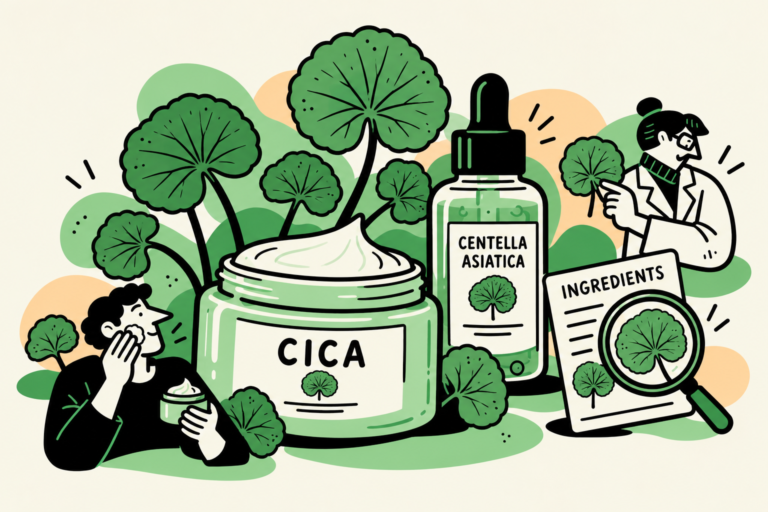
What Is Cica? Centella Asiatica Meaning, Benefits, and How to Use It
If snail mucin was the ingredient that introduced the world to K-beauty in the late…
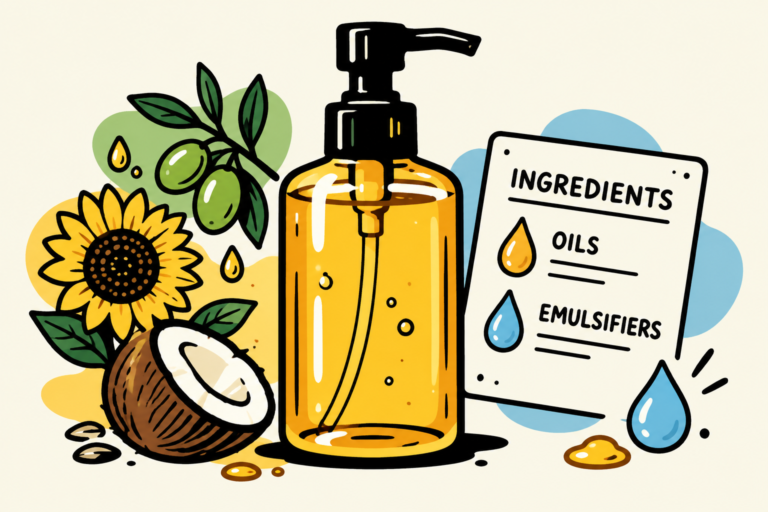
What’s Actually in a Korean Cleansing Oil? Ingredients Explained
Cleansing oils look deceptively simple on the ingredient label, often just a handful of oil…
The Niacinamide + Zinc Combo Behind a Simple, Repeatable Morning Routine
Why so many Korean morning skincare routines stay identical every day, and the specific ingredient pairing doing most of the work.