
The Azelaic Acid pH Controversy: What It Actually Proves (And What It Does Not)
This is the second post in a series about reading what is actually in a…
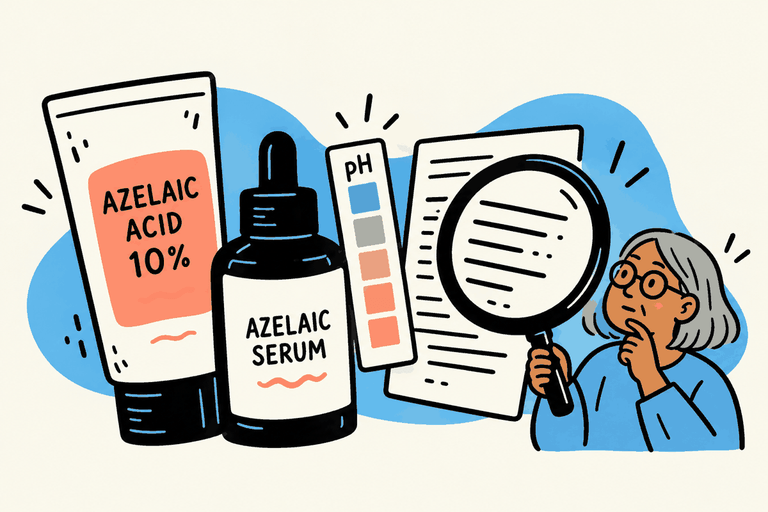
This is the second post in a series about reading what is actually in a…
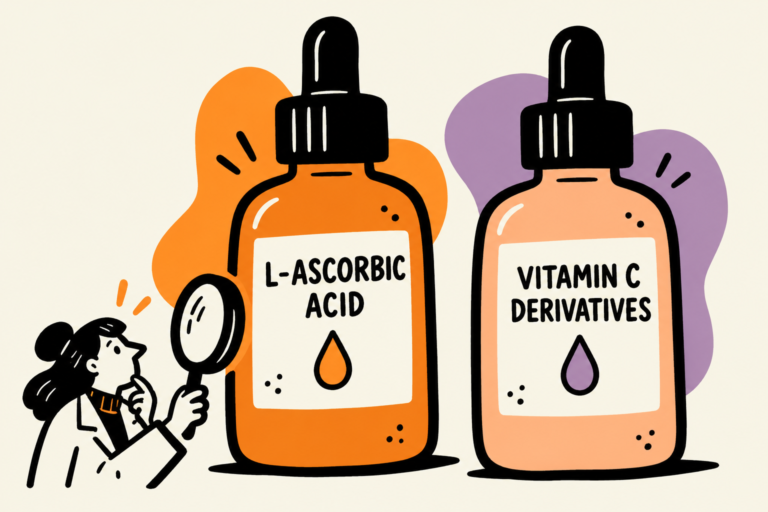
Two serums both say vitamin C on the front. One stings slightly, comes in an…
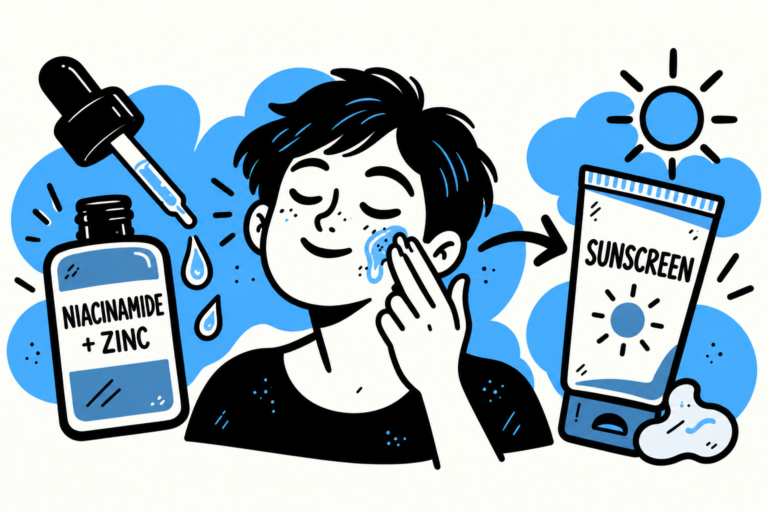
Why so many Korean morning skincare routines stay identical every day, and the specific ingredient pairing doing most of the work.
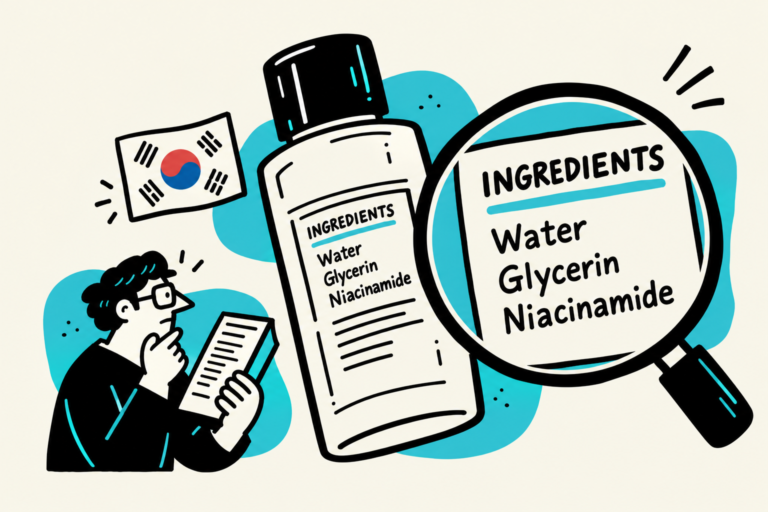
A serum named after an ingredient does not have to contain much of it. That…
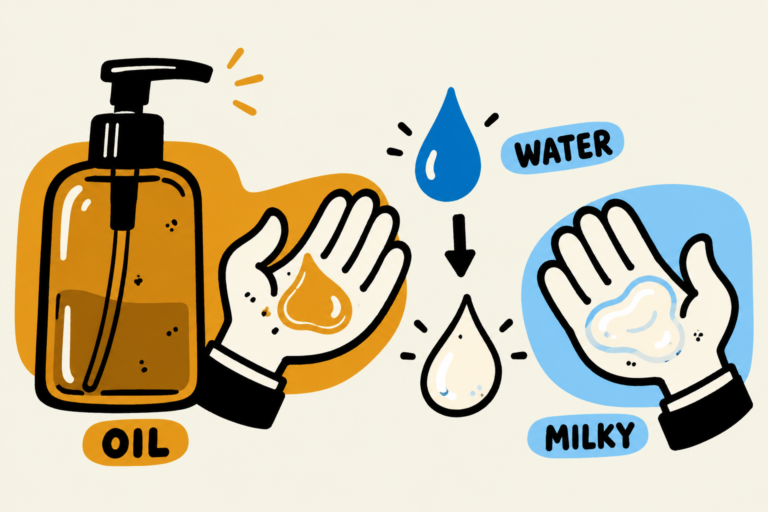
In cleansing-oil instructions, “emulsify” means adding water and gently working it through the cleanser so…
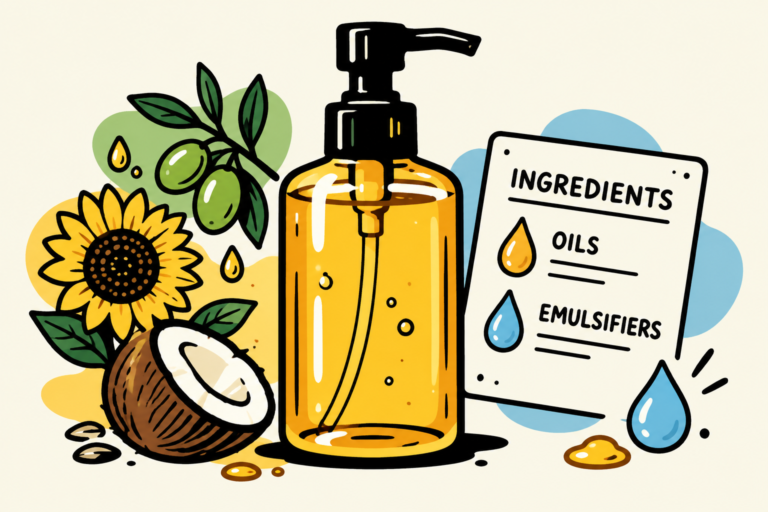
Cleansing oils look deceptively simple on the ingredient label, often just a handful of oil…
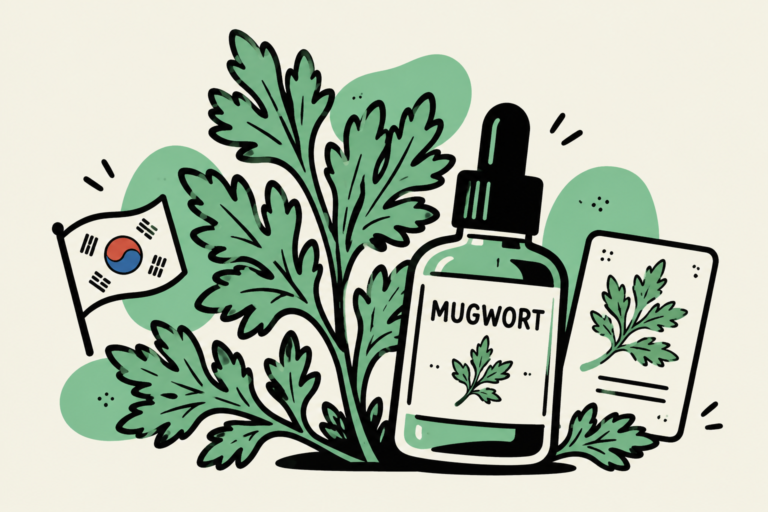
Mugwort is a Korean spring food turned skincare staple. Here’s which Artemisia is on your label, what the studies show, how it compares with centella and heartleaf, and who should be careful.
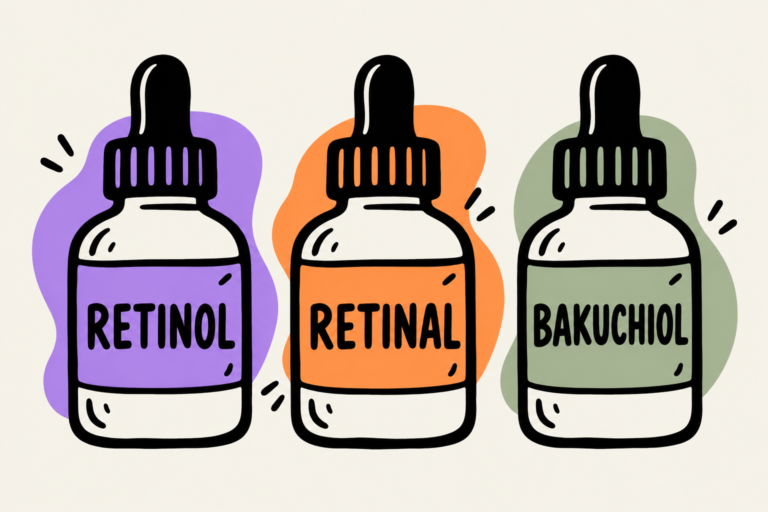
Anti-aging ingredient choice has gotten more complicated in recent years as retinal and bakuchiol have…
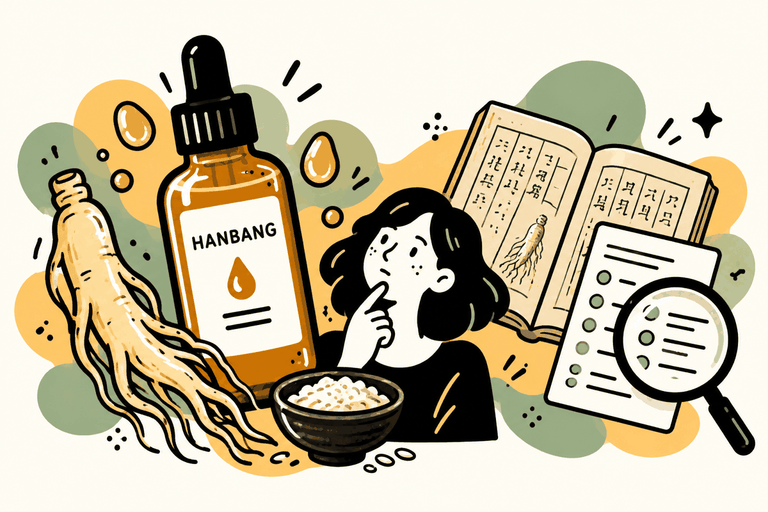
“Hanbang” appears constantly in Korean skincare marketing (printed on packaging, used in brand descriptions, referenced…
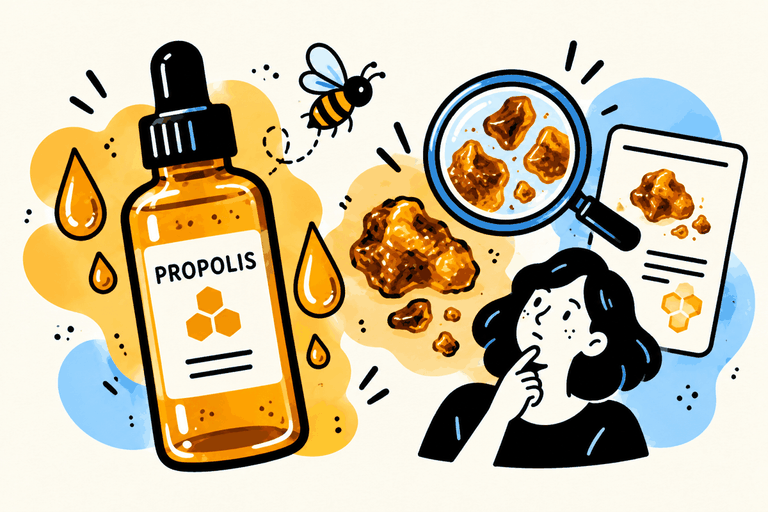
Propolis has quietly become one of the more consistently used ingredients across Korean skincare’s brightening…