What Does “Cruelty-Free” Mean for Korean Beauty Brands?
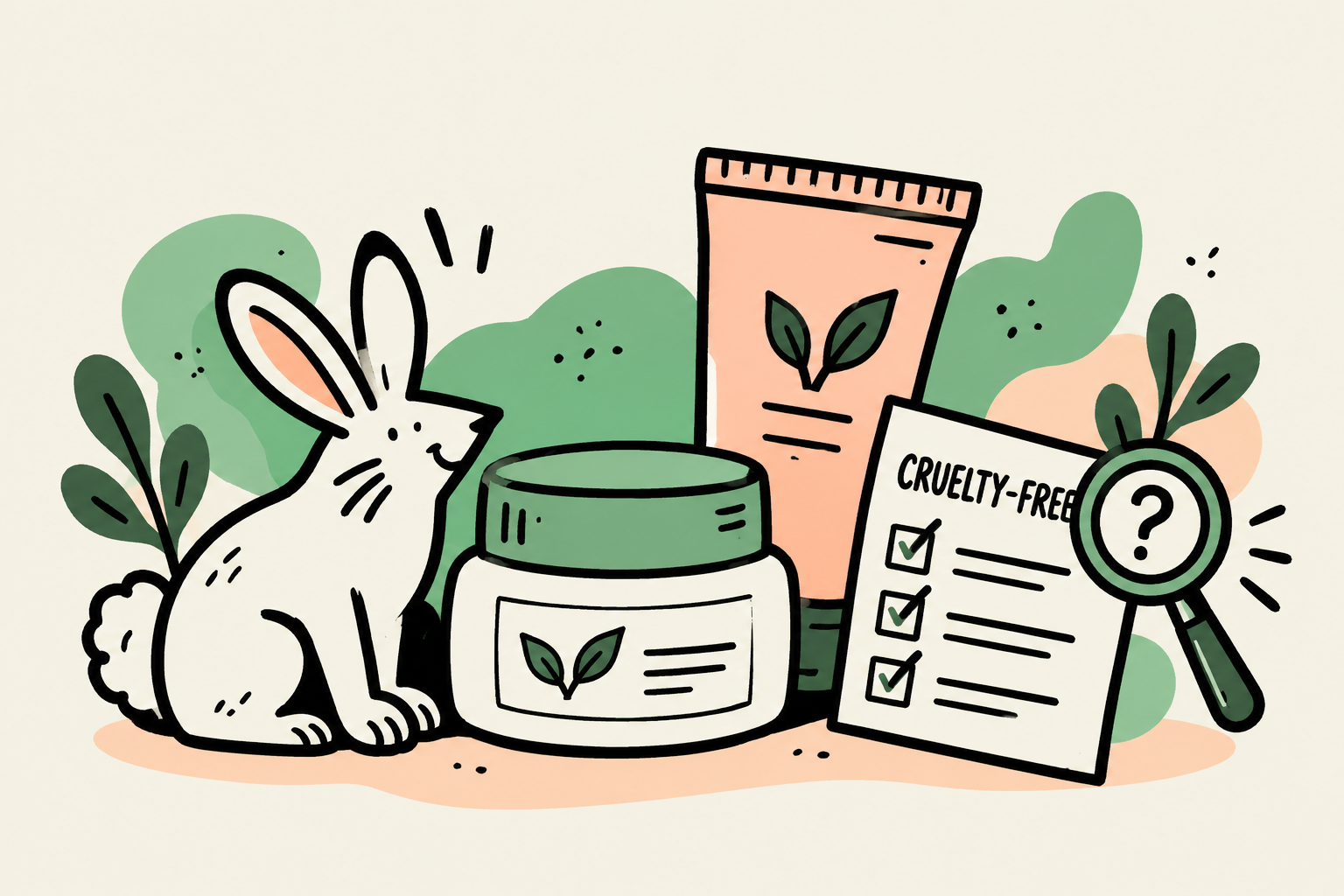
“Cruelty-free” labeling is more complicated for Korean cosmetics brands than for many Western brands, due to a specific regulatory tension most shoppers never learn about: China’s historical animal testing requirements for imported cosmetics. Understanding this context is essential for making informed decisions if cruelty-free status matters to you.
What “Cruelty-Free” Actually Means
At its most basic, “cruelty-free” means a product (and typically its individual ingredients) was not tested on animals at any stage of development or production. However, unlike “vegan” (which refers to ingredient sourcing, discussed in our snail mucin post regarding the ingredient’s non-vegan status), cruelty-free is specifically about testing methodology, not ingredient origin. A product can be cruelty-free while still containing animal-derived ingredients like honey, propolis, or snail mucin.
The China Regulatory Complication
For years, China required animal testing for cosmetics imported for general retail sale within mainland China, a requirement that created a genuine dilemma for brands: sell in the massive Chinese market (requiring animal testing) or maintain cruelty-free status internationally (excluding Chinese retail sale). Many well-known Korean brands, including some referenced throughout this blog, sold products in Chinese retail channels historically, which technically disqualified them from cruelty-free certification despite not testing animals for products sold elsewhere.
China’s regulations have evolved somewhat in recent years, with certain product categories (particularly ordinary, non-“special use” cosmetics) sometimes exempted from mandatory animal testing requirements under updated rules, though the situation remains complex and brand-specific, changing over time as regulations continue to evolve.
Why This Matters More for Korean Brands Specifically
Korean cosmetics brands have pursued Chinese market access particularly aggressively given geographic proximity and market size, making this regulatory tension more commonly relevant to Korean brands than to some Western or other Asian cosmetics industries with different export patterns. This is part of why cruelty-free certification claims require more careful individual verification for Korean brands than a simple assumption based on general industry reputation.
How to Actually Verify a Korean Brand’s Cruelty-Free Status
- Check for recognized third-party certification. Leaping Bunny and PETA’s Beauty Without Bunnies program are the most internationally recognized certifiers, and their websites maintain searchable brand databases
- Don’t rely solely on “cruelty-free” claims printed on packaging, since this labeling isn’t universally regulated or verified the way some other cosmetic claims are
- Check whether the brand sells in mainland Chinese retail, since this remains a meaningful (though evolving) red flag for cruelty-free status
- Look for brand-specific statements on official websites, which more established or explicitly ethics-focused brands often provide with genuine specificity about their testing and export policies
Brands Worth Researching Individually
Rather than making blanket assumptions, cruelty-free status varies by specific Korean brand and can change over time as companies adjust their market strategies and as Chinese regulations continue evolving. Brands referenced throughout this blog, including COSRX, Beauty of Joseon, Anua, and others, each have their own specific history and current status worth checking individually through the certification resources above rather than assuming a blanket industry-wide answer.
Is “Cruelty-Free” the Same as “Vegan”?
No. This is a common point of confusion. A product can be:
- Cruelty-free but not vegan (no animal testing, but contains animal-derived ingredients like propolis or snail mucin)
- Vegan but not verified cruelty-free (no animal-derived ingredients, but testing history unclear or non-compliant with strict cruelty-free certification)
- Both (no animal testing and no animal-derived ingredients)
- Neither
If both ethical considerations matter to you, you’ll need to check for each separately rather than assuming one status implies the other.
Quick Answers
Does the Korean government require animal testing for cosmetics? No. Korea’s own domestic regulatory requirements don’t mandate animal testing for cosmetics sold within Korea; the complication specifically arises from separate Chinese import regulations affecting brands that also sell into that market.
Has China’s animal testing requirement been fully eliminated? Not entirely. Regulations have evolved to exempt certain product categories, but “special use” cosmetics (like sunscreens and certain hair care products) and imported products in some circumstances may still face testing requirements, making this an area requiring current, brand-specific verification rather than a single fixed answer.
If a brand doesn’t currently sell in China, are they automatically cruelty-free? Not automatically. While not selling in China removes one major complication, genuine cruelty-free status still requires verification of testing practices at every stage, ideally through recognized third-party certification rather than assumption based on market presence alone.
What to Remember
Cruelty-free status for Korean beauty brands is more complicated than for many other cosmetics industries, primarily due to the historical (and still partially ongoing) tension between cruelty-free certification standards and Chinese import regulations. If this matters to your purchasing decisions, individual brand verification through recognized certification databases is the only reliable approach. Broad assumptions based on general Korean beauty industry reputation aren’t sufficient given how brand-specific and regulation-dependent the actual answer is.
Read Next
Olive Young Shopping Guide for First-Time Visitors
Olive Young is Korea’s dominant beauty and health retail chain, and for anyone visiting Korea…
Why Sheet Masks Are Everywhere in Korea (And How to Actually Use Them)
Sheet masks are one of the most immediately recognizable K-beauty exports, thin, essence-soaked sheets sold…
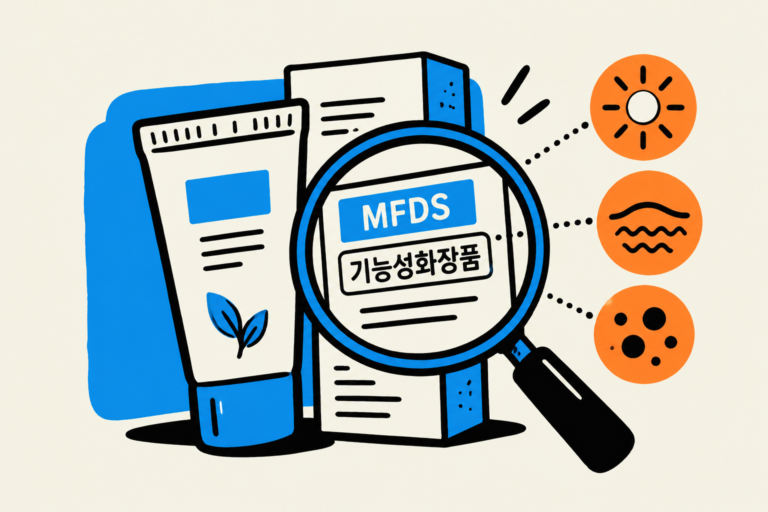
What “기능성화장품” on a Korean Label Actually Means
Korea’s “functional cosmetic” label means a product’s brightening, anti-wrinkle or UV claim has been checked by the MFDS. Here’s what it covers, how products earn it, and what it doesn’t promise.
Niacinamide or Vitamin C: Which Should You Start With for Uneven Tone?
This is a common question when starting a Korean routine, and it usually comes up…
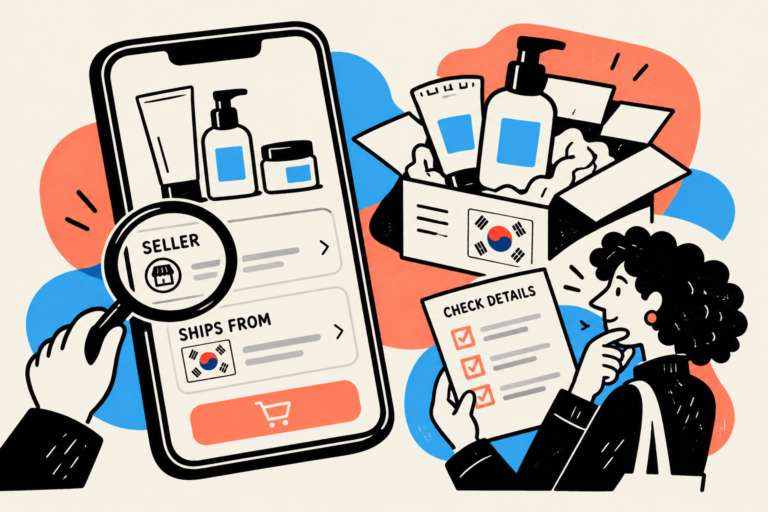
Where to Buy Authentic K-Beauty Products Online (Avoiding Fakes)
For US shoppers, start with a brand’s official website or its country-specific authorized retailer list….
K-Beauty vs J-Beauty vs C-Beauty: Market Comparison
K-beauty means Korean beauty, J-beauty Japanese beauty and C-beauty Chinese beauty. These labels identify markets…