Why Sheet Masks Are Everywhere in Korea (And How to Actually Use Them)
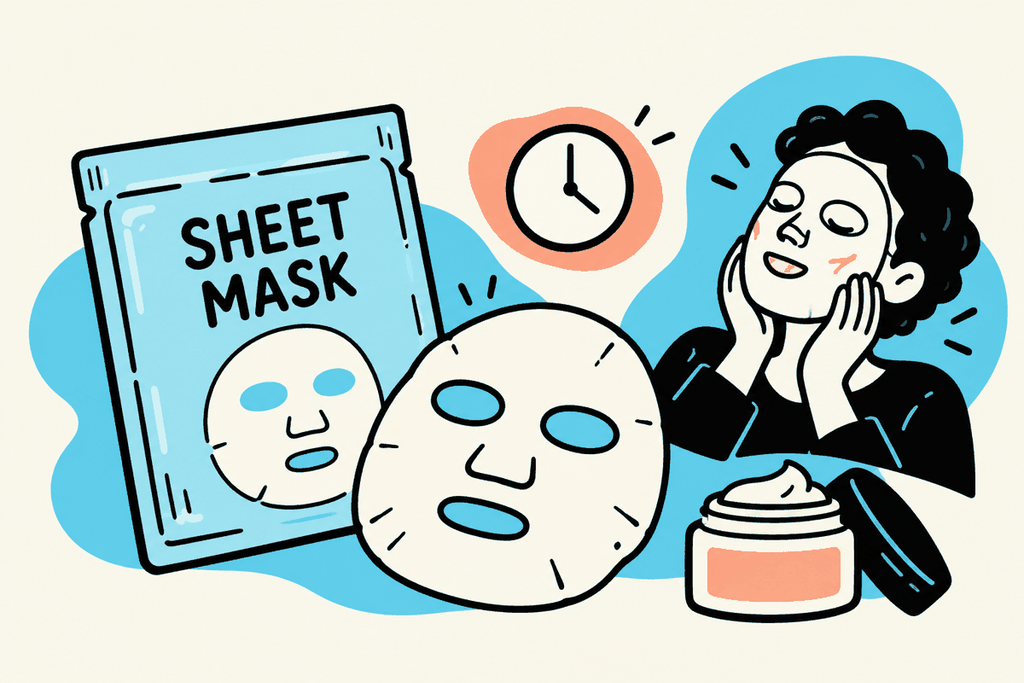
Sheet masks are one of the most immediately recognizable K-beauty exports, thin, essence-soaked sheets sold individually at eye-wateringly low prices compared to international markets. But understanding why they became such a fixture of Korean skincare culture, and how to actually use them well, goes beyond the novelty that first made them viral internationally.
Quick answer
Sheet masks became such a fixture of Korean skincare culture not through novelty alone, but because of a practical combination: low cost, wide availability, and a format that maximizes the essence-delivery concept central to Korean layering philosophy. Understanding them as a routine-integrated hydration step, rather than an occasional luxury treat, is the key difference between how they’re used in Korea versus how they’re often marketed internationally.
The Scale of Sheet Mask Culture in Korea
Sheet masks in Korea aren’t a special-occasion luxury the way they’re sometimes marketed abroad. They’re an everyday convenience item, sold individually at convenience stores (CU, GS25, 7-Eleven are all common retailers) for roughly 1,000-3,000 KRW (about $0.75-$2.25 USD) apiece. This price point and availability fundamentally shapes how Koreans use them: as a routine, low-commitment addition rather than a splurge treatment, closer in cultural role to a quick snack purchase than a spa indulgence.
Where the Format Came From
Sheet masks as a mass-market product category trace back to Korean cosmetic manufacturers in the 1990s-2000s experimenting with more efficient ways to deliver concentrated serum-like treatments directly against the skin for extended contact time, rather than relying on a cream or lotion’s more limited absorption. The format essentially maximizes the “essence” concept (a key structural piece of the 10-step routine discussed in our dedicated routine post) by soaking it into a sheet that holds the product against skin for 15-20 minutes rather than requiring reapplication.
Types of Sheet Masks and What They’re For
- Cotton/cellulose sheets. The original, most widely available format, good general-purpose absorption
- Bio-cellulose sheets. A thicker, gel-like, more expensive material that conforms extremely closely to facial contours and holds more essence, often used for higher-end or targeted treatments
- Hydrogel masks. A jelly-like format, often sold in two-piece (upper/lower face) sets, known for intensive hydration and a cooling sensation
- Microfiber sheets. Thinner, faster-absorbing, often marketed for quick lunch-break use
How Koreans Actually Incorporate Sheet Masks Into Routines
Rather than treating sheet masking as a dedicated “self-care ritual” event (though it can certainly be used that way too), many Koreans use them as a practical routine swap, replacing the essence and part of the serum step on nights when they want an extra hydration boost, rather than adding an entirely separate step on top of an already-complete routine. This is a different mental model than the “occasional pampering treat” framing sheet masks often get in Western marketing.
How to Use a Sheet Mask Properly
- Cleanse and tone as usual (the mask should go on prepped, not bare, skin)
- Unfold the sheet carefully and align it with your facial features
- Smooth out air bubbles and press gently for full contact
- Leave on for 15-20 minutes. Longer isn’t better, since the sheet can start reabsorbing moisture from your skin once the essence dries out, working against the goal
- Remove and pat the remaining essence into skin rather than rinsing it off
- Follow with a lighter moisturizer to seal in the hydration, skipping a separate essence/serum step since the mask already served that role
Common Mistakes
- Leaving it on too long (over 20-30 minutes), which can actually reverse the hydrating effect as the sheet dries out and pulls moisture back from the skin
- Rinsing off the remaining essence instead of patting it in. This wastes a significant portion of the product’s benefit
- Using sheet masks as a substitute for a complete routine rather than a component within one. A mask alone doesn’t replace cleansing, sun protection, or targeted treatment
Are Cheap Convenience Store Masks Actually Good?
Generally yes, for basic hydration purposes. Korean convenience store sheet masks, even at their very low price points, typically use reasonably solid base formulations (hyaluronic acid, common soothing botanicals) suitable for regular use. Where premium sheet masks (like higher-end bio-cellulose options) tend to differentiate is in more targeted actives, thicker essence saturation, and closer facial contouring. These are genuine upgrades, but not strictly necessary for basic hydration maintenance.
Common Questions
How often should I use sheet masks?
Korean skincare guidance generally suggests 2-3 times weekly for regular hydration maintenance, though daily use isn’t harmful for most skin types given how gentle most formulations are.
Can sheet masks replace a serum entirely?
On the days you use one, yes. Many Koreans treat masking nights as a serum/essence swap rather than an addition, as described above.
Do sheet masks expire quickly once opened?
Yes. Since they’re single-use and pre-portioned, there’s no “leftover” concern the way there is with jar or bottle products; use the full sheet and essence in one sitting.
Read Next
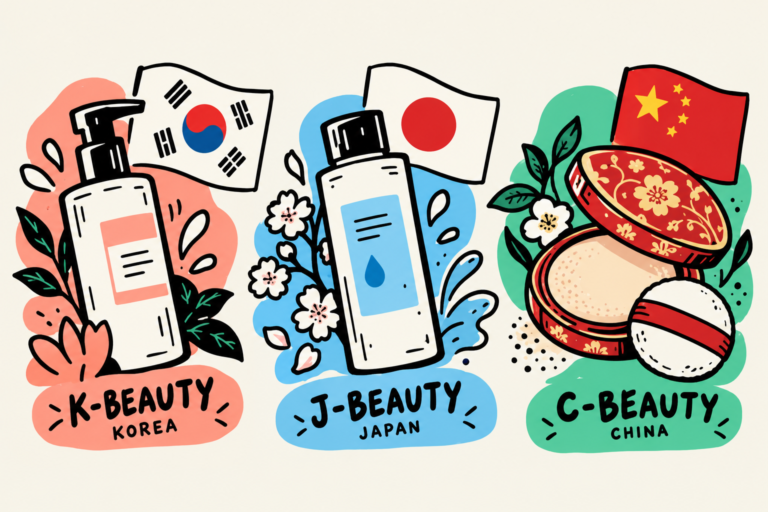
K-Beauty vs J-Beauty vs C-Beauty: Market Comparison
K-beauty means Korean beauty, J-beauty Japanese beauty and C-beauty Chinese beauty. These labels identify markets…
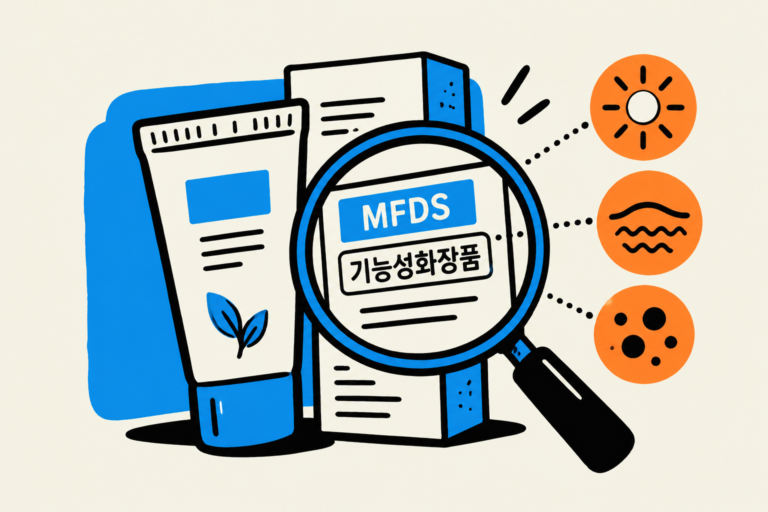
What “기능성화장품” on a Korean Label Actually Means
Korea’s “functional cosmetic” label means a product’s brightening, anti-wrinkle or UV claim has been checked by the MFDS. Here’s what it covers, how products earn it, and what it doesn’t promise.
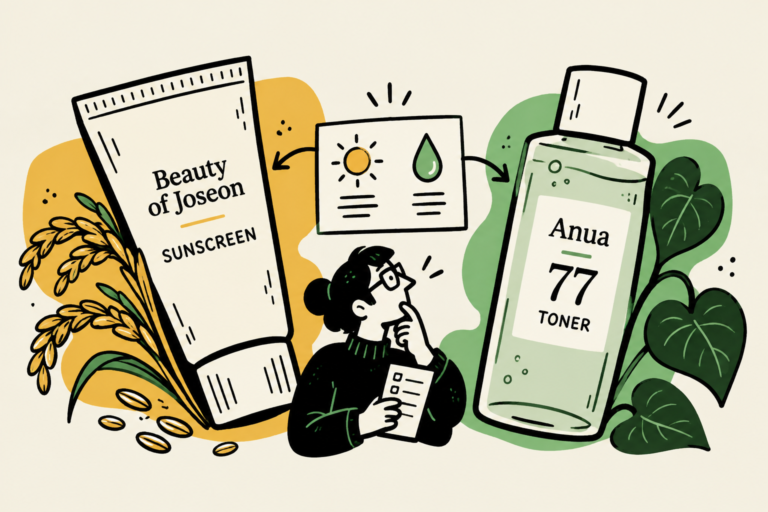
Beauty of Joseon vs Anua, a Product Pick Guide
This is a pick guide rather than a verdict on which brand is better. It…
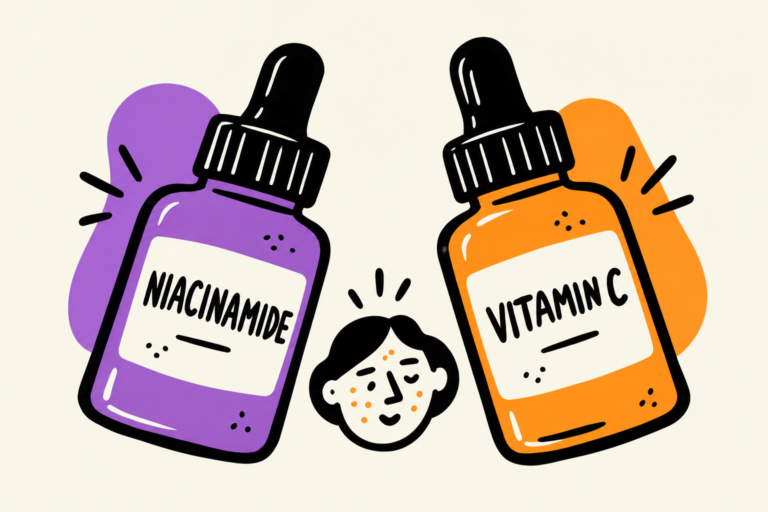
Niacinamide or Vitamin C: Which Should You Start With for Uneven Tone?
This is a common question when starting a Korean routine, and it usually comes up…
Physical vs. Chemical Sunscreen: The Korean Perspective
The physical-versus-chemical sunscreen debate plays out differently in Korean skincare culture than in many Western…
Where to Buy Authentic K-Beauty Products Online (Avoiding Fakes)
For US shoppers, start with a brand’s official website or its country-specific authorized retailer list….