The “No-Makeup Makeup” Look and Its Skincare Foundation

The “no-makeup makeup” look (민낯 메이크업 or 쌩얼 메이크업 in Korean) is makeup designed to look like healthy, bare skin. Because the base is sheer, the condition of your skin shows through, which is why this post covers the skincare foundation first and then a simple application order.
What the Look Is
The look is makeup that reads as natural rather than heavily applied, with skin texture and luminosity doing most of the work. It overlaps with the “glass skin” and “chok-chok” ideas covered in separate posts, which this post does not repeat.
The look is also heavily promoted through idol and celebrity imagery, and some of that marketing is more reliable than the rest. For a breakdown, see our guide to idol skincare routines: fact versus marketing.
Why Skincare Does Most of the Work
Sheer, thin makeup cannot hide much, so uneven texture, dryness or irritation shows through. That is why the skin comes first and the makeup stays light.
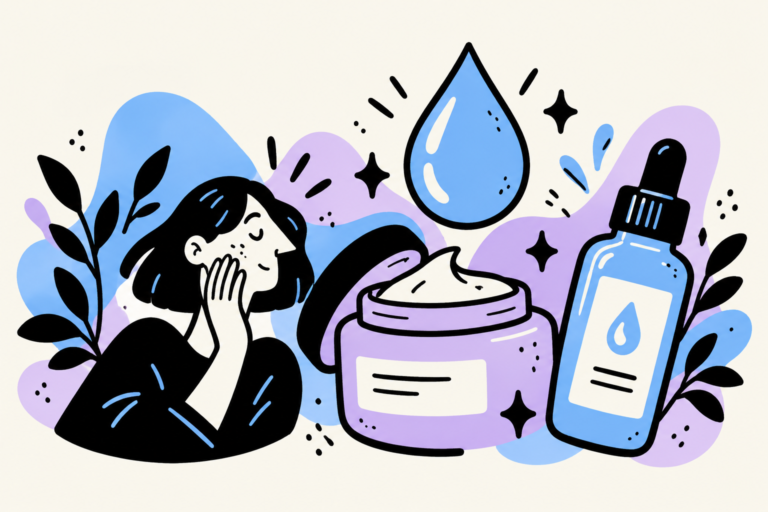
The Skincare Foundation Behind the Look
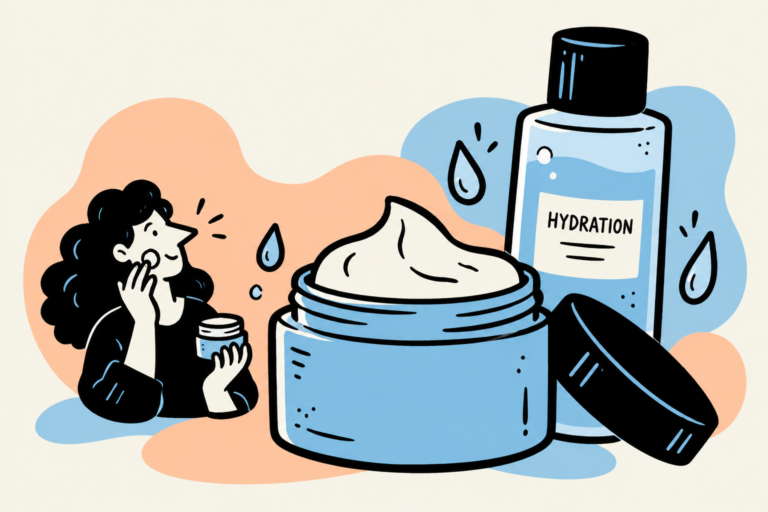
- Hydration. Dry or flaky skin undermines sheer makeup. The chok-chok idea is covered in our dedicated post.
- Consistent sun protection and tone evenness. Reducing the need for heavy color correction or concealment, tying directly into our niacinamide/vitamin C and sunscreen content
- Barrier health. Smooth, non-irritated skin texture, discussed throughout our skin barrier repair guide, since a compromised barrier often shows through even light makeup as redness or rough texture
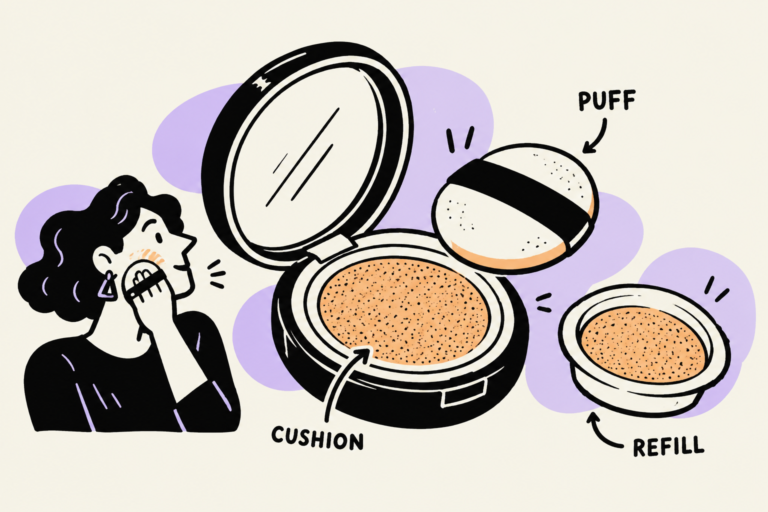
- A dewy, non-cakey base. Often achieved through skincare-adjacent products like the cushion compacts covered in our dedicated history post, which were specifically engineered to deliver light coverage without a heavy, obviously “made up” finish
The Makeup Layer: What’s Actually Applied
Once the skincare foundation is solid, the makeup layer for this look typically stays minimal:
- Light, buildable base. Often a cushion foundation or tinted moisturizer/sunscreen hybrid, applied thinly rather than for full opacity
- Cream-based color. Cream blush and lip products applied with fingers, producing a soft, blended flush rather than sharp, obviously “applied” color placement
- Minimal or no visible eye makeup. Often just brow grooming and perhaps a light wash of color, rather than more dramatic eye looks
- A focus on glow over matte. Highlighting products used sparingly to enhance natural high points rather than creating a distinctly separate “highlighted” effect
Why Skincare and Makeup Advice Overlap
Because the look depends on how the base skin looks, skincare and makeup advice overlap in a lot of K-beauty content, including much of this blog.
Can You Achieve This Look Without “Perfect” Skin?
Yes. The look is about minimizing the appearance of heavy makeup, not requiring flawless underlying skin. Reasonable adaptations include:
- Using slightly more coverage in specific problem areas (like under-eye concealer) while keeping the rest of the face minimal
- Prioritizing texture-smoothing skincare (like the barrier repair and hydration principles covered elsewhere on this blog) over trying to eliminate every visible skin concern before applying makeup
- Treating the look as a spectrum rather than an all-or-nothing standard. Even partial adoption (skipping heavy foundation in favor of a lighter base) captures much of the aesthetic’s appeal
A Simple Step-by-Step Order for the Look
The exact products vary. This is a simple order that keeps every layer thin so skin texture still shows through, offered as a practical guide rather than a tested routine.
- Prep with hydration, not heavy oil. A light essence or moisturizer, given a minute to absorb, helps base makeup sit smoothly instead of pilling.
- Sunscreen as the real base. Some people use a tone-up or glowy sunscreen as the only base layer, then add makeup only where needed.
- Spot-conceal, do not cover everything. Apply a small amount of concealer on redness or dark spots, and blend with a fingertip or a damp sponge.
- Cushion or skin tint, thinly. Press a cushion in light layers on the center of the face, then fade it outward.
- Cream cheek and lip color. Cream or tint formulas blend into skin and look like a natural flush rather than a powdered finish.
- Set only where needed. A small amount of powder on the T-zone keeps the glow elsewhere.
Matching the Look to Your Skin Type
| Skin type | What helps | What to watch |
|---|---|---|
| Dry or dehydrated | A hydrating prep and a dewy cushion; cream blush | Heavy powder can emphasize flaking |
| Oily or combination | A light, non-greasy sunscreen base; powder on T-zone only | Too many creamy layers can slide by midday |
| Sensitive or reactive | Short ingredient lists, fragrance-free sunscreens | Introduce new base products one at a time |
If your skin is calm and hydrated, you will need less product to achieve the look. If your skin is irritated, it usually helps to repair the barrier first (our guide on repairing a damaged skin barrier is a good starting point) before expecting makeup to sit well.
Common Mistakes That Break the Natural Finish
- Applying a full-coverage foundation and expecting it to look like bare skin.
- Skipping sunscreen and relying on makeup SPF alone, which rarely goes on thickly enough.
- Layering shimmer everywhere instead of placing highlight on the high points of the face.
- Changing everything at once, which makes it hard to tell what suits your skin.
Quick Answers
Is this the same as “clean girl” makeup that became popular internationally? There is overlap in the natural, skin-first look. This post does not compare the origins of the two trends.
Do I need expensive skincare to achieve the skin quality this look requires? Not necessarily. Hydration, sun protection and gentle barrier care do not require expensive products, and the budget brands reviewed on this blog (COSRX, Round Lab, Beauty of Joseon) are examples. Choose by how your own skin reacts.
Does this look work for mature skin, or is it mainly associated with younger skin? The principles (hydration, evenness, thin layers) are not age-specific. I cannot speak for how every texture behaves on mature skin, so apply products thinly and adjust.
Read Next
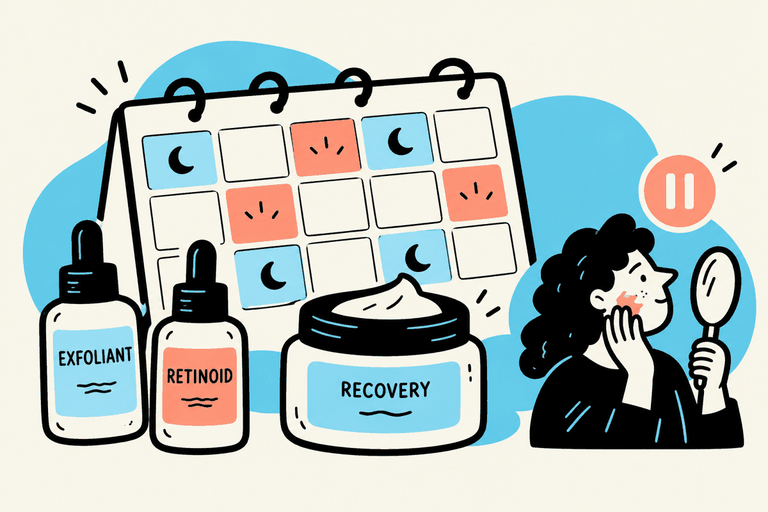
Skin Cycling, Korean Style: How It Differs From the Viral Trend
“Skin cycling” became a major viral skincare trend internationally, popularized by a US dermatologist’s structured…
“Chok-Chok” Skin Explained: Korea’s Other Dewy Skin Ideal
Chok-chok (촉촉) describes a moist, supple feel. In Korean skincare language, “chok-chok skin” means skin…
Why Korean Beauty Trends Cycle So Fast
Anyone following K-beauty for even a couple of years notices the pattern: an ingredient or…
K-Pop Idol Skincare Routines: Fact vs. Marketing
“K-pop idol skin” has become one of the most powerful (and most exploited) marketing angles…
Glass Skin Explained: Is It Actually Achievable?
Glass skin is a describable goal built on hydration, gentle exfoliation, barrier care and sun protection. Here is what it means and how achievable it really is.
The Cushion Compact: How a Korean Invention Changed Global Makeup
A cushion compact is liquid complexion makeup held in a reservoir, usually a sponge, inside…