Glass Skin Explained: Is It Actually Achievable?
Quick answer
Glass skin is a real, describable aesthetic goal built on sound skincare principles (hydration, gentle exfoliation, barrier support, and sun protection) rather than a mysterious or purely genetic phenomenon. A meaningful version of the look is achievable for most people through consistent routine adherence over several months, even if the most viral, filtered examples online represent an idealized best case rather than a realistic daily baseline.
Glass Skin Explained: Is It Actually Achievable?
“Glass skin” is probably the single most recognizable K-beauty aesthetic term internationally, a complexion so smooth, hydrated, and luminous it appears almost translucent, like light passing through glass. It’s been the subject of endless YouTube tutorials, viral TikToks, and no small amount of skepticism about whether it’s a realistic goal or a filtered, unattainable marketing fantasy. Here’s an honest look at what it actually is and what’s realistically achievable.
Where the Term Comes From
“Glass skin” (유리 피부, yuri pibu) entered international skincare vocabulary around 2017-2018, largely popularized through Korean beauty YouTubers and bloggers describing a specific, longstanding Korean beauty ideal in English for the first time to a global audience. The underlying aesthetic itself (smooth, poreless, luminous, hydrated skin) has been a consistent beauty standard in Korean culture for considerably longer than the specific “glass skin” terminology, closely tied to Korea’s broader emphasis on skin health and radiance over heavy makeup coverage as the primary marker of beauty.
What Glass Skin Actually Means, Technically
Breaking down the aesthetic into its component parts helps clarify what’s actually being pursued:
- Even tone. Minimal visible redness, dark spots, or discoloration
- Fine, minimized pore appearance. Not necessarily poreless (which is essentially impossible), but pores that are less visually prominent
- High hydration. A dewy, plump surface rather than dry or flaky texture
- Smooth texture. Minimal visible bumps, rough patches, or unevenness
- Natural luminosity. A healthy glow from within, distinct from the artificial shine of excess oil or heavy highlighter
Is It Genetic, or Achievable Through Skincare?
This is the most important and most honestly nuanced question in the entire topic. The realistic answer: some baseline factors are genetic and unchangeable, but a meaningful portion of the aesthetic is achievable through consistent skincare and lifestyle habits.
Genetic/unchangeable factors:
- Natural pore size (largely determined by genetics and can be minimized in appearance but not physically shrunk)
- Underlying skin texture and natural oil production tendencies
- Some aspects of skin tone evenness, particularly conditions like genetically-influenced hyperpigmentation patterns
Achievable through consistent care:
- Hydration levels, which are also significantly improvable through proper layering, humectant ingredients (hyaluronic acid, glycerin, snail mucin), and barrier support
- Surface texture, which is improvable through appropriate, non-excessive chemical exfoliation and consistent moisturizing
- Tone evenness, which is improvable over months through ingredients like niacinamide, vitamin C, and consistent sun protection (since UV exposure is the single biggest driver of new hyperpigmentation)
- Overall “glow”, which is largely a function of proper hydration and a healthy, undamaged skin barrier, both responsive to consistent skincare habits
The Skincare Routine Behind Glass Skin
The pursuit of glass skin is essentially the practical application of everything covered in Korean skincare philosophy elsewhere on this blog:
- Thorough double cleansing. A compromised or under-cleansed skin surface can’t achieve the smooth, even light-reflection glass skin depends on.
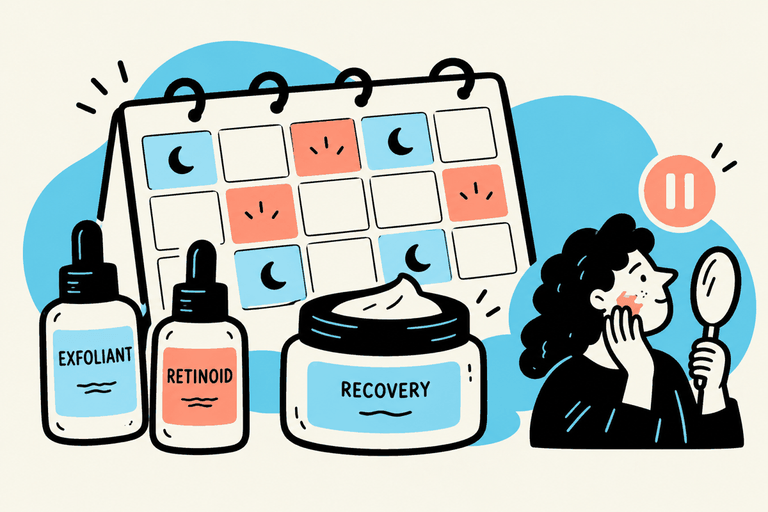
- Consistent, appropriate exfoliation (2-4x weekly) removes dead skin buildup that creates textural unevenness and dulls light reflection.
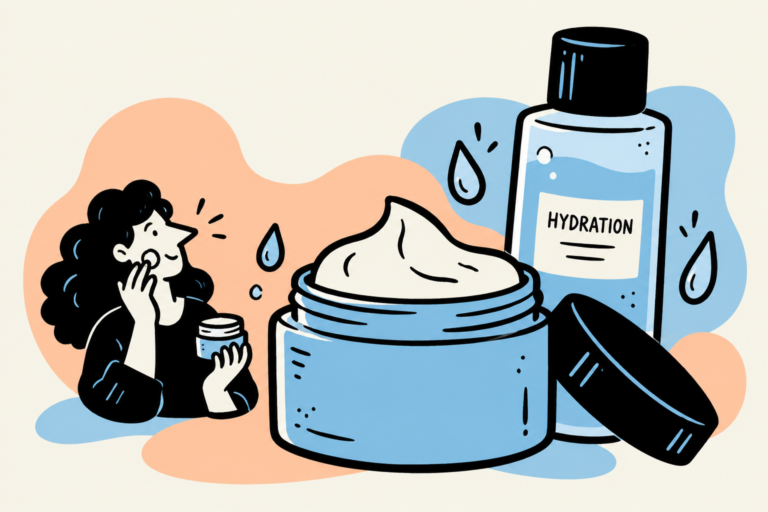
- Heavy, layered hydration. Multiple thin layers of hydrating toner, essence, and serum, building up moisture more effectively than a single heavy product.
- Barrier-supporting ingredients. Centella asiatica, ceramides, and niacinamide all support the skin’s ability to actually hold onto the hydration being applied.
- Rigorous, daily sun protection. Since UV damage is one of the fastest ways to undo tone evenness and texture, undermining the entire goal.
- Consistency over months, not days. This is the piece most often lost in viral before-and-after content; genuine glass skin results from sustained routine adherence over 2-3+ months minimum, not a single product or overnight transformation.
The Role of Lighting and Filters in Glass Skin Content
It’s worth being honest about this: a significant portion of the most viral “glass skin” content online benefits substantially from favorable lighting (soft, diffused light specifically flatters smooth, hydrated skin far more than harsh overhead lighting), camera settings, and in some cases genuine filters or editing. This doesn’t mean the underlying skincare advice is fake, but it does mean expecting your own bathroom mirror in fluorescent lighting to match a professionally lit and possibly edited video is setting an unrealistic bar. Real, in-person glass skin looks noticeably more subtle and natural than its most viral online examples.
Makeup’s Role in the Glass Skin Look
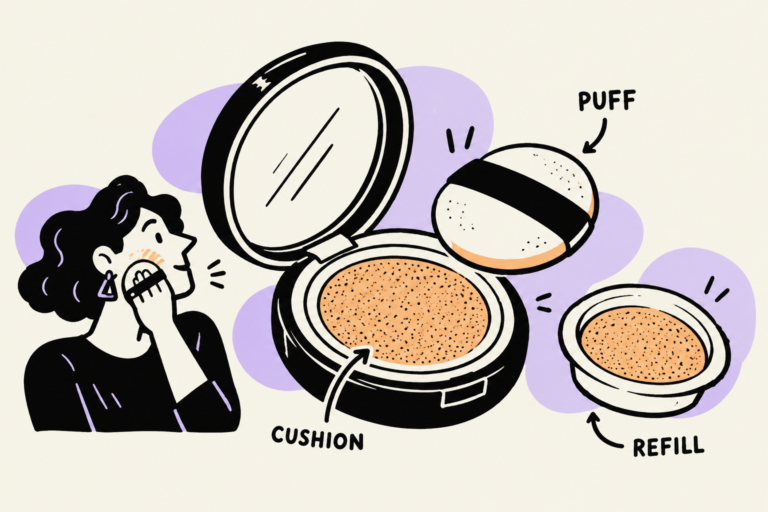
It’s also worth acknowledging that a considerable amount of “glass skin” content, particularly in makeup tutorials, involves cosmetic products designed to simulate the effect on top of skin that may not fully achieve it through skincare alone, such as dewy, light-reflecting primers, illuminating bases, and glass-skin-specific cushion foundations (a Korean product category built almost entirely around this exact aesthetic) can meaningfully enhance the appearance of glass skin as a finishing touch, separate from the underlying skincare routine.
Realistic Timeline Expectations
- Weeks 1-2: Minor hydration improvements from increased moisture layering, if your routine wasn’t already hydration-focused
- Weeks 4-8: Noticeable texture and tone improvements from consistent exfoliation and active ingredient use
- Months 3-6: More substantial evening of tone and reduction in visible pore appearance, assuming consistent routine adherence and proper sun protection throughout
- Ongoing: Glass skin is best understood as a maintained state rather than a permanent achievement. Consistency needs to continue, since stopping active skincare habits typically leads to gradual reversion
Who Might Not Achieve the “Full” Effect, and Why That’s Okay
Some skin types and conditions make the most extreme version of glass skin harder to achieve, such as very large pore structure, certain textural skin conditions, or naturally very oily skin (which produces a different, shinier rather than “glass-like” luminosity) may never look identical to the most viral reference images, regardless of routine quality. This isn’t a routine failure. It’s a realistic acknowledgment that the aesthetic exists on a spectrum, and meaningful improvement in hydration, tone, and texture is a legitimate, worthwhile goal even if it doesn’t perfectly match an idealized viral standard.
Common Questions About Glass Skin
Do I need expensive products to achieve glass skin? No. Many of the most effective ingredients for the look (niacinamide, hyaluronic acid, Centella asiatica) are available in accessible Korean drugstore brands like COSRX, Round Lab, and Pyunkang Yul, and consistency matters considerably more than price point.
Is glass skin the same as “dewy skin”? They overlap significantly but aren’t identical. Dewy skin generally refers just to a moist, glowing finish, while glass skin implies that plus additional tone evenness and textural smoothness working together.
Can oily skin achieve glass skin, or is it only for dry/normal skin? Oily skin can achieve a version of the look, though it often requires more attention to oil balancing (via ingredients like niacinamide) alongside hydration, since unmanaged excess oil can create a different, less refined shine than the intended luminous finish.
Is glass skin a healthy goal, or does it reflect unrealistic beauty standards? This is a fair and ongoing conversation within beauty culture broadly. The underlying skincare habits behind the pursuit (hydration, gentle exfoliation, sun protection) are healthy practices regardless of the aesthetic label, even if the specific visual standard itself, like most beauty ideals, shouldn’t be treated as a mandatory benchmark for self-worth.
Read Next
The Cushion Compact: How a Korean Invention Changed Global Makeup
A cushion compact is liquid complexion makeup held in a reservoir, usually a sponge, inside…
Skin Cycling, Korean Style: How It Differs From the Viral Trend
“Skin cycling” became a major viral skincare trend internationally, popularized by a US dermatologist’s structured…
Why Korean Beauty Trends Cycle So Fast
Anyone following K-beauty for even a couple of years notices the pattern: an ingredient or…
“Chok-Chok” Skin Explained: Korea’s Other Dewy Skin Ideal
Chok-chok (촉촉) describes a moist, supple feel. In Korean skincare language, “chok-chok skin” means skin…
The “No-Makeup Makeup” Look and Its Skincare Foundation
The “no-makeup makeup” look (민낯 메이크업 or 쌩얼 메이크업 in Korean) is makeup designed to…
K-Pop Idol Skincare Routines: Fact vs. Marketing
“K-pop idol skin” has become one of the most powerful (and most exploited) marketing angles…